Introduction
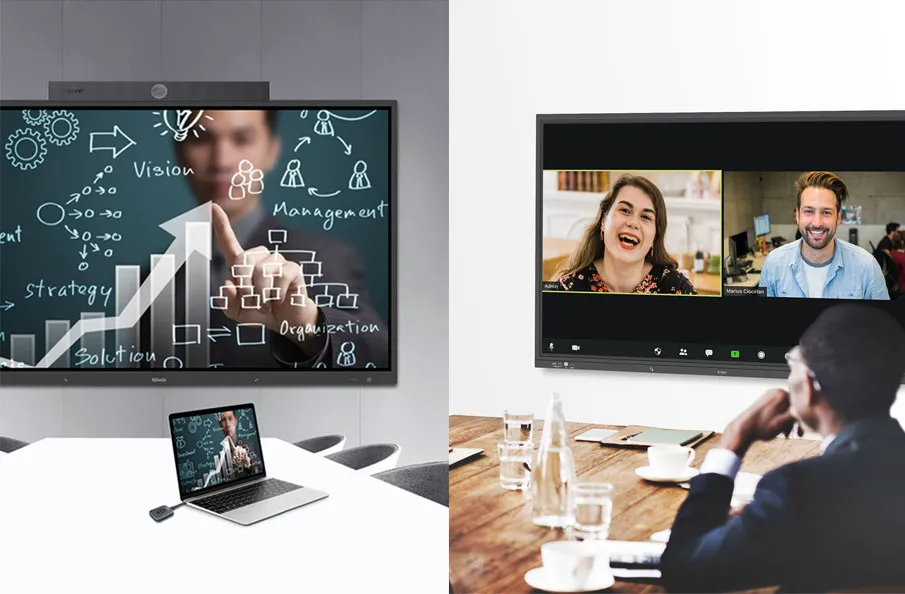
A smart meeting room solution is more than a display, a camera, or a video conferencing device. It is a connected collaboration environment where AV equipment, wireless presentation, room control, scheduling, automation, and centralized management work together to make meetings easier to start, easier to run, and easier to manage.
As hybrid work becomes a normal part of business communication, traditional conference rooms often struggle to support modern collaboration. Users may need to connect different cables, switch input sources manually, adjust audio separately, and ask IT teams for help when devices do not work together.
A smart meeting room solution solves these problems by integrating the room into one coordinated system. It helps employees, guests, executives, teachers, and remote participants collaborate with less friction while giving IT and facility teams better control over meeting spaces.
This guide explains what a smart meeting room solution is, how it works, which technologies are included, and how Q-NEX helps organizations build smarter, more manageable meeting environments.
What Is a Smart Meeting Room Solution?
A smart meeting room solution is an integrated set of hardware, software, and control technologies designed to improve the meeting experience. Instead of treating every device as a separate tool, the solution connects devices into one room workflow.
In a smart meeting room, users should be able to walk in, start a meeting, share content, join a video call, control audio and display devices, and end the session with minimal effort. For administrators, the room should be easy to monitor, configure, schedule, and maintain from a central platform.
A complete smart meeting room solution may include:
- Displays or interactive flat panels for presentations and collaboration.
- Conference cameras, microphones, and speakers for hybrid meetings.
- Wireless presentation for BYOD and guest sharing.
- A meeting room control system for AV, source switching, and room modes.
- A touch panel for simple user operation.
- Room scheduling and automation for better space management.
- A centralized management platform for remote monitoring and device control.
A smart meeting room solution is usually part of a broader meeting room technology strategy, especially when organizations need consistent collaboration experiences across multiple spaces.

Smart Meeting Room vs Traditional Meeting Room
The biggest difference between a traditional meeting room and a smart meeting room is integration. A traditional room may have useful devices, but they often operate separately. A smart meeting room connects those devices into a unified experience.
| Area | Traditional Meeting Room | Smart Meeting Room Solution |
| User experience | Users often manage cables, remotes, and separate device settings. | Users can start meetings and control room functions from a simple interface. |
| Content sharing | Mostly cable-based or dependent on specific adapters. | Wireless presentation supports laptops, mobile devices, guests, and fast switching. |
| AV control | Display, audio, camera, and sources may be controlled separately. | AV devices can be controlled through one touch panel or centralized control interface. |
| Hybrid meetings | Video, audio, and display setup may vary from room to room. | Camera, microphone, speaker, and display workflows are planned as one system. |
| Room management | IT teams often troubleshoot room by room. | Administrators can monitor, schedule, and manage multiple rooms remotely. |
Core Technologies in a Smart Meeting Room Solution
A smart conference room solution normally combines several technology layers. Each layer has a different role, but the value comes from how well they work together.
AV and Display Layer
This layer includes commercial displays, interactive flat panels, projectors, cameras, microphones, speakers, audio processors, and AV signal devices. It determines how clearly people can see, hear, present, and collaborate.
Wireless Presentation Layer
Wireless presentation allows users to share content without cables. This is especially useful for BYOD meetings, guest presentations, brainstorming sessions, and fast collaboration between multiple presenters.
Room Control Layer
The room control layer connects displays, audio, video, signal switching, lighting, and other devices into one operating interface. It reduces the need for multiple remotes and makes room operation more consistent.
Scheduling and Automation Layer
Room scheduling helps users find available spaces and reduces booking conflicts. Automation can prepare the room before meetings, switch devices into the right mode, and shut down equipment after use.
Centralized Management Layer
Centralized management allows IT teams to monitor room devices, adjust settings, schedule device operation, and maintain multiple rooms from one platform. This is especially valuable for enterprises, schools, campuses, and multi-room deployments.
How a Smart Meeting Room Solution Works
A smart meeting room solution works by connecting the room’s devices, control interface, and management platform into a unified architecture.
For users, the workflow may look simple:
- Enter the room and check availability or meeting status.
- Tap the touch panel to start the meeting.
- Turn on the display and select the correct source automatically.
- Share content wirelessly from a laptop or mobile device.
- Join a hybrid meeting with camera, microphone, and speaker settings ready.
- End the meeting and return devices to standby.
Behind that simple user experience, the system may be controlling displays, AV sources, audio levels, conferencing devices, room modes, schedules, and networked management tools. This is why integration is so important. The more devices a room has, the more valuable a unified control and management system becomes.
Key Benefits of a Smart Meeting Room Solution
Faster Meeting Startup
A smart meeting room can reduce the time users spend connecting cables, switching sources, or asking for technical support. One-touch startup and preset room modes help meetings begin faster.
Better Hybrid Collaboration
With the right camera, microphones, speakers, display layout, and wireless sharing tools, remote participants can see, hear, and follow the meeting more clearly.
Simpler Room Operation
A centralized touch panel or room control interface makes it easier for non-technical users to control display, audio, camera, source switching, and room scenes.
More Efficient IT Management
IT teams can reduce manual troubleshooting by monitoring device status and managing room settings remotely. This is especially helpful when the organization has many meeting spaces.
Scalable Deployment
A smart meeting room solution can be standardized across huddle rooms, boardrooms, training rooms, and multi-room offices. This makes the user experience more consistent and makes future expansion easier.
Smart Meeting Room Solution by Room Type
Different rooms need different levels of technology. The solution should match the room purpose rather than forcing every room into the same equipment package.
| Room Type | Typical Needs | Smart Solution Focus |
| Huddle room | Quick discussions, small hybrid calls, BYOD sharing. | Fast wireless presentation, compact video conferencing, simple display control. |
| Standard meeting room | Team meetings, client calls, presentations. | Display, camera, microphones, speakers, touch control, room scheduling. |
| Executive boardroom | High-value meetings, leadership presentations, customer discussions. | Reliable AV control, premium presentation experience, room scene presets, centralized management. |
| Training room | Workshops, lectures, internal training, multi-presenter sessions. | Interactive display, wireless microphones, flexible source switching, recording or streaming support if needed. |
| Multi-room deployment | Multiple offices, campuses, or shared spaces. | Standardized AV architecture, remote monitoring, automation, centralized device management. |
If you are planning a new room from the beginning, use this section as the concept-level starting point before moving into detailed implementation planning.

Why Centralized Management Matters
A single smart meeting room can improve one space. Centralized management improves the entire meeting environment across an organization.
Without centralized management, IT teams often need to check devices room by room. When something does not work, support teams may not know whether the problem is the display, the network, the source device, the audio system, or the user workflow.
Centralized management helps organizations:
- Monitor device status across multiple rooms.
- Schedule device startup and shutdown.
- Apply consistent room settings.
- Reduce onsite troubleshooting.
- Improve energy efficiency and maintenance planning.
- Scale smart meeting room deployments more easily.
For B2B buyers, centralized management is not just a technical feature. It affects long-term operational cost, user adoption, and the consistency of the meeting experience.
How Q-NEX Smart Meeting Room Solution Works
Q-NEX provides smart meeting room solutions that connect AV control, wireless presentation, room scheduling, automation, and centralized management into one integrated system.
A Q-NEX smart meeting room can include networked media processing, presentation switching, touch panel control, room scheduling, and centralized platform management. These components help organizations simplify room operation while giving IT teams better visibility and control.
With Q-NEX, meeting room technology can support:
- Centralized control of displays, audio, video, and room devices.
- Wireless content sharing for flexible collaboration.
- One-touch operation through a touch panel.
- Scheduled device startup and shutdown.
- Room scheduling and meeting space visibility.
- Remote monitoring and centralized management for multiple rooms.
The goal is to make the room easier for users and easier for administrators. Instead of managing isolated devices, organizations can build a connected meeting environment that supports modern collaboration.
For organizations that need a scalable deployment, the Q-NEX Smart Meeting Room Solution connects room control, wireless presentation, scheduling, automation, and centralized management into one coordinated system.
Frequently Asked Questions
What is a smart meeting room solution?
A smart meeting room solution is an integrated system that connects AV equipment, video conferencing, wireless presentation, room control, scheduling, automation, and centralized management to create a more efficient collaboration environment.
What is the difference between a smart meeting room and a traditional meeting room?
A traditional meeting room often uses separate devices that operate independently. A smart meeting room connects those devices into one workflow so users can control the room more easily and IT teams can manage devices more efficiently.
What equipment is included in a smart meeting room?
A smart meeting room may include displays, cameras, microphones, speakers, wireless presentation devices, AV processors, presentation switchers, touch panels, room schedulers, and centralized management software.
Why is a meeting room control system important?
A meeting room control system simplifies daily operation by allowing users to control displays, audio, video, source switching, lighting, and room modes from one interface. It helps meetings start faster and reduces support requests.
Can smart meeting rooms support hybrid meetings?
Yes. Smart meeting rooms are designed to support hybrid collaboration by combining video conferencing, clear audio, camera coverage, wireless presentation, and simple room control.
Can multiple smart meeting rooms be managed centrally?
Yes. With centralized management, IT teams can monitor device status, schedule device operation, adjust settings, troubleshoot issues, and standardize the experience across multiple rooms or locations.
How can Q-NEX help build a smart meeting room solution?
Q-NEX helps organizations integrate AV control, wireless presentation, room scheduling, automation, and centralized management into one smart meeting room solution that is easier to use, easier to manage, and easier to scale.
Conclusion
A smart meeting room solution is not just a collection of modern devices. It is a connected collaboration system that brings together AV, wireless presentation, room control, scheduling, automation, and centralized management.
For users, this means fewer cables, fewer remotes, faster meeting startup, and better hybrid collaboration. For IT and facility teams, it means better visibility, easier maintenance, and more scalable room management.
If your organization is planning to upgrade meeting spaces, Q-NEX can help you build a smart meeting room solution that connects people, devices, and room management into one efficient system.
Talk to Q-NEX about your smart meeting room project and explore a scalable solution for modern collaboration.
Here are some other articles that we think might interest you:
How to Improve Meeting Effectiveness: 4 Tips and Smart Solutions
Smart Meeting Rooms: AV Control Systems Change The Future of The Workplace
Revolutionizing Presentations: The Q-NEX Digital Podium and Smart Meeting Room Integration