Collaborative learning, where students work together and support one another in their educational journey, is increasingly being recognized as a cornerstone of modern education. This approach moves beyond the traditional, individualistic methods of learning and instead fosters a classroom environment where interaction, cooperation, and shared responsibilities are paramount. This article explores the multifaceted benefits of collaborative learning, emphasizing how it not only enhances academic performance but also nurtures vital social skills and personal growth.
Within this exploration, we will highlight the Q-NEX Collaborative Learning Solution—a cutting-edge tool designed to seamlessly integrate technology into collaborative learning environments. By bridging communication gaps and fostering active participation, this solution plays a pivotal role in creating a more dynamic and enriching educational experience.
1. Enhancing Learning Outcomes Through Collaboration
Collaborative learning is a powerful pedagogical strategy that fundamentally transforms the educational experience. It brings together students from diverse backgrounds and perspectives, allowing them to share knowledge, challenge ideas, and collectively work toward a deeper understanding of the subject matter.

1.1 Sharing Knowledge and Experience
In a collaborative learning environment, students are encouraged to actively share what they know and have experienced. This exchange of ideas enriches the learning process by introducing multiple perspectives, fostering a more comprehensive understanding of the material. Group discussions and projects become a melting pot of ideas, where each student’s contribution enhances the overall learning experience.
1.2 Achieving Deeper Understanding
The interaction inherent in collaborative learning pushes students to think critically and articulate their thoughts more clearly. As students explain concepts to their peers and engage in meaningful discussions, they move beyond surface-level learning. This process promotes a deeper, more nuanced understanding of the subject matter, as students are required to internalize and express complex ideas.
1.3 Improving Memory Retention
One of the significant advantages of collaborative learning is its impact on memory retention. When students are actively involved in teaching and explaining concepts to one another, they reinforce their own understanding. This peer-teaching dynamic has been shown to improve long-term retention of information, as the process of verbalizing and discussing concepts embeds the knowledge more firmly in students’ minds.
1.4 Stimulating Innovative Thinking
Collaborative learning environments are fertile grounds for innovation. By bringing together diverse viewpoints, students are exposed to new ways of thinking and problem-solving. This exposure stimulates creative and critical thinking, enabling students to approach problems from various angles and develop innovative solutions.
1.5 The Role of Q-NEX in Enhancing Learning Outcomes
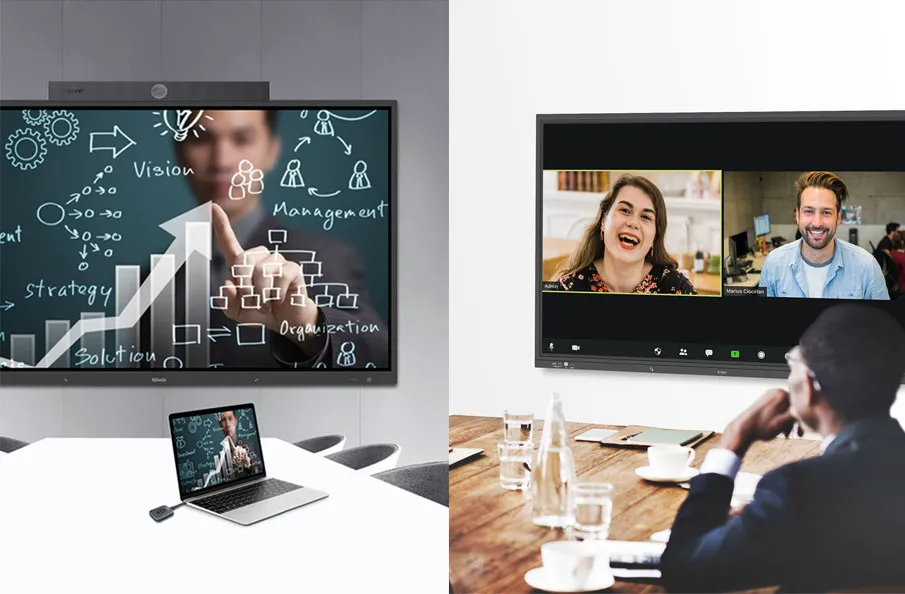
The Q-NEX Collaborative Learning Solution is instrumental in maximizing the benefits of collaborative learning. With its seamless bidirectional screen-sharing capability, students can easily share content and ideas with their peers, creating an interactive and engaging learning environment. Additionally, the Q-NEX Networked Media Processor (NMP) connects and controls various AV devices, making it easier for educators to integrate technology into their teaching methods, further enhancing the effectiveness of collaborative learning.

2. Fostering Essential Team Collaboration Skills
Beyond academic achievements, collaborative learning is invaluable in developing the soft skills necessary for success in both academic and professional settings. Teamwork, communication, and leadership skills are all cultivated in a collaborative learning environment, providing students with essential tools for future success.
2.1 Developing Effective Communication Skills
Collaborative learning places a strong emphasis on communication. Students must communicate effectively to work together, share ideas, and solve problems. This constant interaction hones their ability to express thoughts clearly, listen actively, and engage in constructive dialogue. These communication skills are not only vital in academic settings but are also highly transferable to professional environments.
2.2 Enhancing Verbal and Written Expression
In a collaborative learning environment, students are frequently required to articulate their thoughts both orally and in writing. Whether through presentations, debates, or collaborative writing assignments, students refine their ability to communicate complex ideas effectively. This practice not only improves their verbal and written expression but also boosts their confidence in public speaking and group communication.
2.3 Centralizing Control with Q-NEX NMP
The Q-NEX NMP acts as a central hub for controlling various classroom technologies, such as IQTouch interactive displays and IQView 4K document cameras. By consolidating these devices under one system, the Q-NEX NMP streamlines the technological aspects of collaborative learning, making it easier for students and teachers to focus on collaboration rather than managing disparate technologies.
3. Promoting Social Development and Building Community
One of the most profound impacts of collaborative learning is its ability to foster social development among students. In a collaborative environment, students are not just passive recipients of information; they are active participants in a community of learners.
3.1 Breaking Down Isolation and Building Community
Traditional learning methods can sometimes lead to isolation, where students work individually without much interaction with their peers. Collaborative learning, on the other hand, encourages students to work together, breaking down barriers of isolation. This sense of community is crucial for creating a supportive and positive learning environment where students feel connected to their peers and are more likely to engage actively in the learning process.
3.2 Enhancing the Social Experience with Q-NEX
The Q-NEX Collaborative Learning Solution further enhances the social aspect of collaborative learning by facilitating seamless communication and resource sharing. The Q-NEX NMP, with its cloud management platform, allows students to easily collaborate on projects, share ideas, and access resources, making the learning experience more interactive and socially enriching. This technology-driven approach not only improves academic outcomes but also helps students build lasting relationships and develop interpersonal skills that are vital for their future careers.
4. Offering Personalized Learning Opportunities
Collaborative learning is also highly adaptable to different learning styles, providing opportunities for personalized education. This flexibility allows students to learn at their own pace, receive tailored feedback, and adjust their learning strategies to achieve better outcomes.
4.1 Personalized Feedback and Learning Adjustments
In a collaborative learning environment, feedback is not limited to teacher-student interactions. Peers also provide valuable feedback, offering different perspectives that can help students understand their strengths and areas for improvement. This continuous feedback loop allows students to make real-time adjustments to their learning strategies, resulting in more personalized and effective learning experiences.
4.2 Flexibility and User-Friendliness of Q-NEX
The Q-NEX NMP’s flexible and user-friendly features are essential in supporting personalized learning. The platform allows students to easily share customized content, participate in group activities, and access resources tailored to their individual needs. This adaptability ensures that each student can engage with the material in a way that suits their learning style, promoting a more personalized approach to education.
Conclusion: Embracing Collaborative Learning for Future Success
Collaborative learning is a powerful educational approach that offers numerous benefits, from enhancing learning outcomes to fostering social development and providing personalized learning opportunities. By integrating advanced technological solutions like the Q-NEX Collaborative Learning Solution, educators can create dynamic, interactive, and supportive learning environments that fully prepare students for the challenges of the future. As educational institutions continue to evolve, embracing collaborative learning models will be key to developing well-rounded, capable, and innovative thinkers ready to thrive in an increasingly interconnected world.
Here are some other articles that we think might interest you:
Can Capacitive Touch Panels Redefine the Smart Classroom Experience?