Schools and universities are increasingly relying on sophisticated audio-visual systems to enhance teaching and learning experiences in today’s tech-savvy world. But how do you ensure your institution gets the most out of these technologies? This post will explore the key benefits of AV system integration, the components involved, and practical tips for a successful implementation. If you’re an IT director or a school administrator, you’ll find valuable insights to make AV systems work for your educational needs. If you are a ech-savvy teacher, you can master the method of transform the way education is delivered.
1. The Importance of AV System Integration in Educational Institutions
In today’s the constantly changing educational needs, the integration of Audio-Visual (AV) systems are helpful in shaping enriched learning experiences, fostering seamless communication, and boosting overall student performance. Let’s delve into the significance of AV system integration within educational institutions.
1.1 Enhancing Learning Experiences
In the modern classroom with rapid advancement of classroom, AV systems have transformed traditional teaching methods into interactive and engaging learning environments.
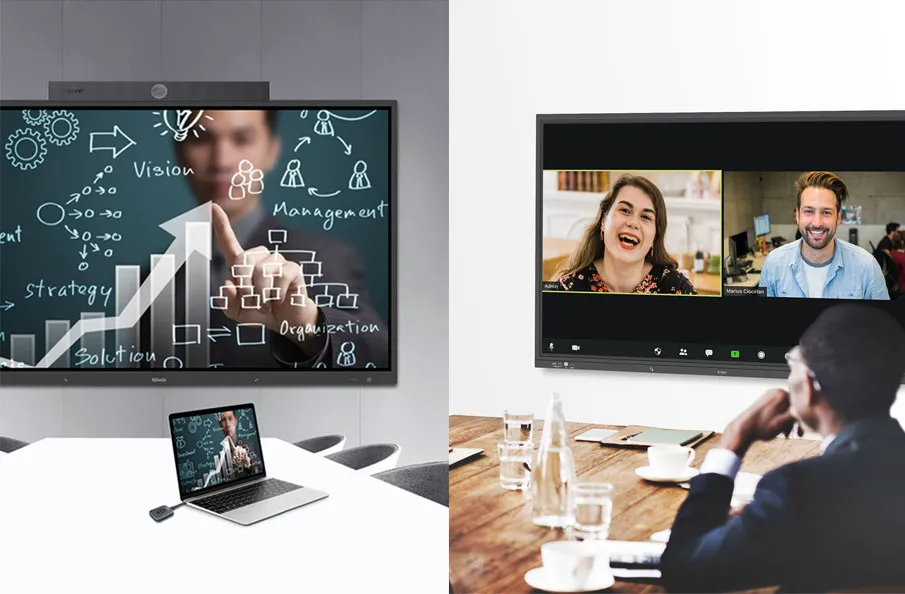
With the integration of AV technology, students embark on a journey of discovery through vivid visuals. And complex concepts like time dilation and space contraction or the Big Bang theory are simplified through compelling multimedia content preseted on IQTouch software IQClass One. These QNEX hands-on learning solutions enable students to learn by doing and provide them with the chance to fully immerse themselves in an educational setting, all while applying previously learned skills and developing new ones.
1.2 Improving Communication
Effective communication represents a siginificant shift in successful education. AV systems act as a bridge, connecting students, teachers, and staff through seamless interactions. Whether it’s virtual classrooms, video conferencing, or digital notice boards, AV technology enables real-time information sharing and collaboration.

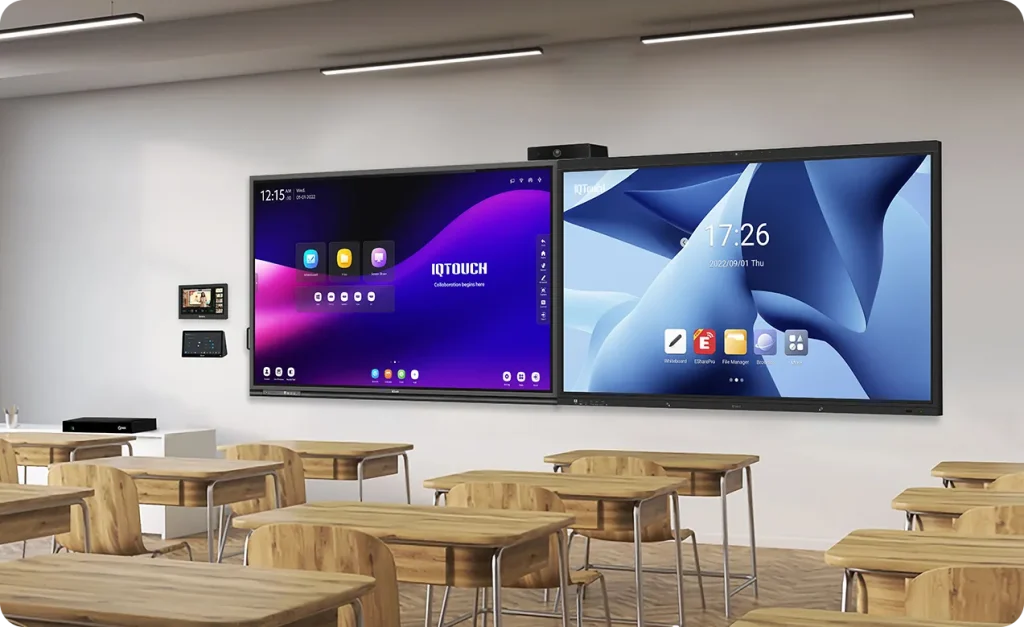
QNEX provides virtual classroom solutions that support a variety of collaboration tools, such as interactive flat panels, infinite screen sharing solution, multimedia courseware display to optimize the virtual classroom experience, and uses high-definition audio and video technology to support the conference picture, high-quality sound attendance process. In addition, the digital announcement that supports multi-screen linkage can display campus announcements, class schedules, activities and other information in various areas of the campus. So students can engage with aduio visual course materials in a visually stimulating manner, teachers can create dynamic lessons that resonate with diverse learners, and administrators can convey vital announcements efficiently. The result is a cohesive educational community where communication flows effortlessly, fostering a supportive and inclusive environment.
1.3 Boosting Student Performance
Research has shown a strong correlation between AV system integration and improved academic outcomes. For instance, by leveraging QNEX multimedia resources, educators on can cater to various learning styles, making lessons accessible and engaging for all students. Visual aids, interactive displays, and audio enhancements not only reinforce understanding but also spark creativity and critical thinking. With AV technology, classrooms become dynamic spaces where students are inspired to excel, resulting in enhanced retention rates, academic achievement, and overall student success.
In conclusion, the integration of AV systems in educational institutions goes beyond just technology; it revolutionizes the way we teach, learn, and communicate. By embracing AV solutions, institutions pave the way for an innovative and inclusive educational experience that empowers students to thrive in a dynamic digital world.

2. Key Components of AV System Integration
In today’s educational landscape has higher demands for audio visual technology. AV system integration plays a crucial role in enhancing teaching and learning experiences. Following are four main key components that make up an effective AV system for educational institutions:
2.1 Interactive Flat Panels and Smart Boards
Utilizing interactive flat panels like IQTouch series and smart boards in classrooms offers a myriad of benefits for both educators and students. These technologies promote active engagement through simulation experiment, facilitate visual learning and encourage collaboration among peers under the help of brainstorming software IQKitsMemos. With muti-tasks enabled interactive flat panels, teachers can create dynamic lessons that cater to different learning styles, making complex concepts more accessible and enjoyable for students.
Moreover, smart boards that engage more than one sense at a time enable seamless integration of multimedia content, interactive exercises, and real-time feedback, fostering an immersive and interactive learning environment.
2.2 Audio Systems and Microphones
High-quality audio systems and microphones are essential components of an efficient AV setup in educational settings. At Audio Enhancement, we know just how important it is for each student to be ready to hear their instructor properly. Clear and crisp audio enhances the overall learning experience by ensuring that every student can hear the instructor clearly. Incorporating audio systems with the right acoustics and microphone solutions not only amplifies the teacher’s voice but also enables students to actively participate in discussions, presentations, and group activities. This technology eliminates communication barriers and ensures that educational content is effectively delivered to all learners, regardless of their seating position in the classroom.
2.3 Video Conferencing Solutions
In the age of remote learning and virtual collaborations, video conferencing tools have become indispensable for educational institutions. Precedence Research estimates that the video conferencing market will reach a size of around $7.84 billion by 2023 and grow at a compound annual growth rate (CAGR) of roughly 12.3% between 2023 and 2032. These solutions enable seamless communication between students, teachers, and guest speakers from different locations. Video conferencing facilitates real-time interactions, virtual lectures, and group discussions, breaking down geographical barriers and expanding learning opportunities beyond the traditional classroom. By incorporating video conferencing technology, like QNEX lecture capture system, educational institutions can provide a dynamic and inclusive learning environment that accommodates diverse learning needs and schedules.
2.4 Control Systems and Integration Software
Efficient management of AV equipment is made possible through control systems and integration software. These components streamline the operation of various AV devices, such as projectors, screens, audio systems, and cameras, ensuring smooth transitions between different modes and inputs. Here are the top 5 AV control system companies leading the industry with innovative solutions. Control systems like IoT-based QNEX Web Console allow educators to focus on teaching without technical distractions, as they can easily adjust settings, switch between content sources, and troubleshoot issues with a centralized interface. Integration software can optimize system performance, and enhance the overall reliability and functionality of the AV setup in educational institutions.
Enhancing the educational experience through AV system integration requires a comprehensive approach that includes interactive displays, audio systems, video conferencing solutions, and control systems. By leveraging these key components effectively, educational institutions can create immersive learning environments that promote engagement, collaboration, and technological literacy among students and educators alike.
3. Challenges and Solutions in AV Integration for Educational Institutions
AV integration in educational institutions comes with its own set of challenges that need to be addressed for seamless implementation and operation. Let’s explore some common hurdles and effective solutions:
3.1 Budget Constraints
Educational institutions often face budget limitations when it comes to implementing AV solutions to enhance learning environments. To overcome these constraints, consider the following strategies:
3.1.1 Prioritize Needs
Identify the essential AV requirements based on educational goals and prioritize funding for crucial components.
3.1.2 Seek Grants and Funding
Explore grant opportunities and partnerships with organizations that support educational technology initiatives.
3.1.3 Opt for Cost-Effective Solutions
Click this article that tell you the strategies of choosing scalable AV systems that offer long-term cost efficiency and consider open-source software options to reduce expenses.
3.2 Technical Support and Maintenance
AV kept an eye on maintenance and support All around campus, we must maintain up-to-date and functional audiovisual equipment in lecture halls, teacher offices, classrooms, and smart buildings. Reliable technical support and maintenance services are vital for the smooth functioning of AV systems in educational settings. Here’s why they are crucial:
3.2.1 Ensure System Reliability
Timely technical support helps in addressing issues promptly and ensuring minimal disruptions to teaching and learning activities.
3.2.2 Regular Maintenance Checks
Scheduled maintenance sessions prevent unexpected breakdowns and prolong the lifespan of AV equipment.
3.2.3 Training for Internal Support
Train staff members to handle basic troubleshooting tasks and provide initial support before escalating issues to technical experts.
3.3 Training and Professional Develop ment
Training programs play a significant role in maximizing the benefits of AV technologies in educational institutions. Here’s how investing in training can make a difference:
3.3.1 Empower Educators
Comprehensive training empowers teachers to effectively integrate AV tools into their teaching practices and create interactive learning experiences.

3.3.2 Student Engagement
Educators trained in using AV technologies can engage students better and cater to diverse learning styles through multimedia-rich content.
3.3.3 Continuous Skill Enhancement
Encourage ongoing professional development to keep up with emerging AV trends and leverage innovative teaching methods for enhanced student outcomes.
Incorporating these strategies can help educational institutions overcome challenges and create dynamic AV-integrated learning environments that support student success. And QNEX is always offering AV training that can help you master new audiovisual skills or prepare for your audio visual integration system certification.
4. Best Practices for Successful AV System Integration
Integrating audiovisual (AV) systems in educational institutions is essential for modern learning environments. To ensure a successful AV system integration, certain best practices need to be followed, promoting collaboration, regular assessments, and customization to educational needs.
4.1 Collaboration Between IT and Education Departments
The key to seamless AV system integration lies in the collaboration between the IT specialists and educators within the educational institution. IT professionals possess the technical knowledge to implement and maintain AV systems, while educators understand the practical needs and instructional goals. QNEX provides a centralized AV system management platform, so that IT departments can centrally monitor and control all kinds of AV equipment on campus. Through a one-stop management interface, the IT department can flexibly deploy AV resources to meet the needs of different teaching scenarios. By working closely together, IT and education departments can ensure that the AV technology aligns with the curriculum and enhances the learning experience.
4.2 Regular Assessments and Upgrades
Regular assessments and upgrades are crucial for maintaining the efficacy of AV systems in educational settings. Technology evolves rapidly, and regular evaluations help identify outdated equipment or software that may hinder teaching and learning processes. The QNEX system supports automatic updates of remote firmware and software, so that IT departments can push upgrades in batches centrally, without manual operation one by one. The system can also provide early warning of equipment and accessories that are about to expire, helping the IT department to plan and execute replacement plans in time. By staying proactive with assessments and upgrades, educational institutions can ensure that their AV systems remain up to date and fully functional, providing students and teachers with the best tools for learning.
4.3 Customization to Educational Needs in BPP University
Each educational institution like BPP Universitry has unique requirements and challenges when it comes to AV technology. Customizing AV solutions to meet these specific needs is vital for successful integration. Small colleges may lack professional technical staff support and prefer AV control schemes that are simple and easy to use. Some institutions may have strict security policies and require AV systems to provide more sophisticated access control and encrypted transmission. The financial status and willingness to invest of different institutions will also affect the scope and depth of AV system selection.

QNEX provides a visual system management interface for BPP Universitry, and teachers can customize the interface according to their own habits. The functions of custom shortcut operation and preset scene can meet the personalized control needs under different teaching needs. For example, personalized teaching control interfaces or automated processes can be developed for specific teaching scenarios. By tailoring AV systems to the educational goals and environment of the institution, administrators can optimize the use of technology in classrooms, auditoriums, and other learning spaces. Customization enhances user experience, promotes engagement, and maximizes the impact of AV systems on teaching and learning processes.
Final Thoughts
In the field of education, integrated audio and video systems enhance the learning experience, improve teacher-student communication, and improve student performance. If we want to maximize the value of audio and video systems, we need to carefully deploy, for example, choose the right audio system, video conferencing solutions, control systems and integration software, etc. In addition, budget constraints, technical support maintenance, teacher training, etc., are considered. And strengthen inter-departmental collaboration, regular assessment and upgrading.
AV system integration not only is an innovative trend. It’s also a powerful tool that can transform educational institutions. AV system integration generate great classroom experiences and faciliate remote learning under the background of eLearning.
Click here to seize the opportunity to elevate education,
Here are some other articles that we think might interest you:
Why Choose Q-NEX for Audio Visual Integration?
Why Audio Visual Communication Technology is Critical for Education
The Skills and Qualities Needed for a Career as an AV Integrator