Remote collaboration has become the backbone of modern workplaces. With teams spread across the globe, advanced audiovisual (AV) technology has emerged as a crucial tool to bridge physical distances and create seamless communication experiences. By leveraging high-quality video and seamless device integration, Q-NEX and other cutting-edge AV solutions are transforming remote teamwork, making it more efficient, engaging, and productive.
1. Introduction to AV Technology and Remote Collaboration
AV, or audiovisual technology, refers to the use of tools and systems that combine audio and visual devices to improve communication and collaboration.
1.1. What is AV Technology
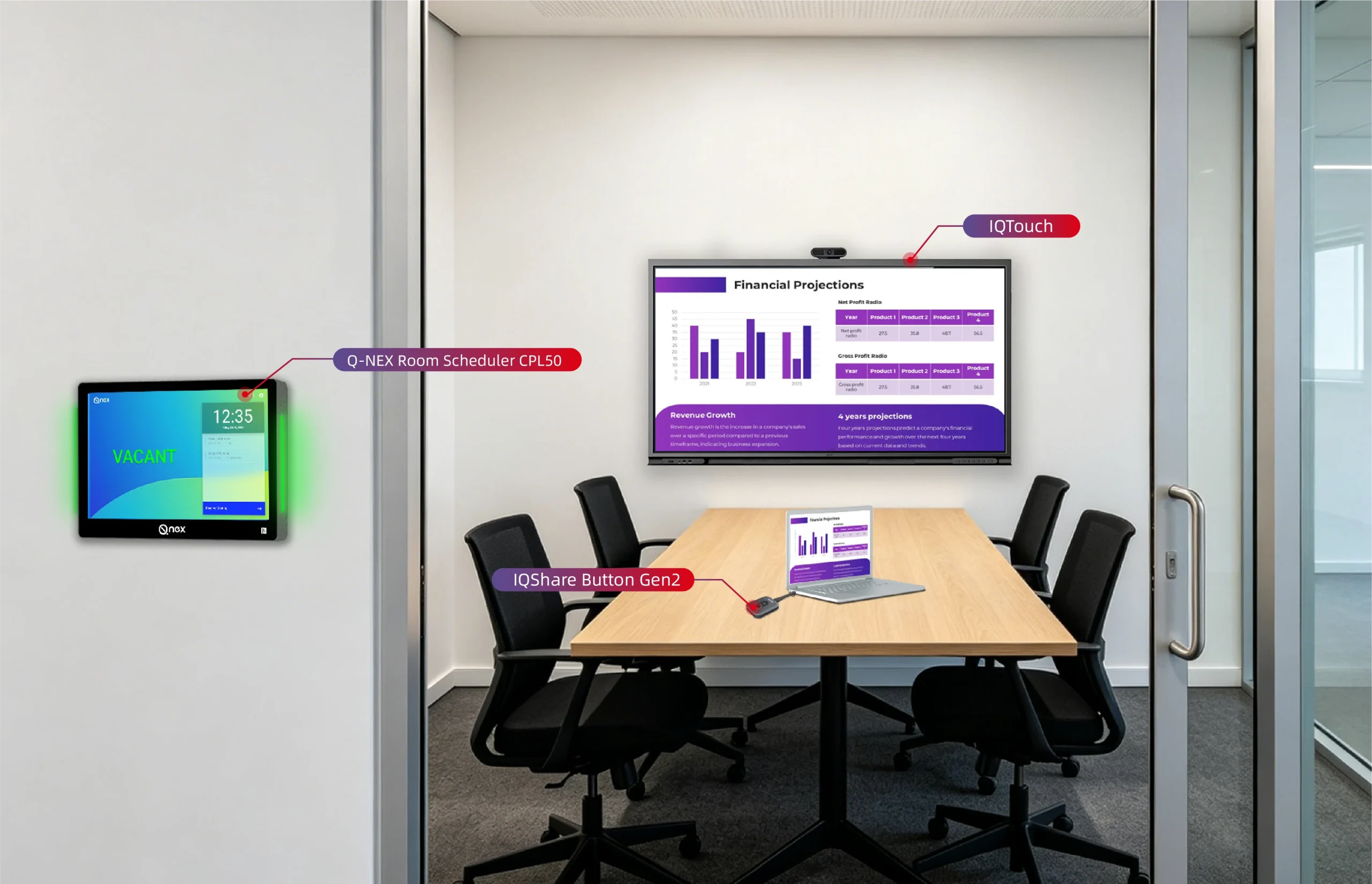
AV technology encompasses a broad range of hardware and software that facilitate the transmission and reception of audio and visual signals. This includes everything from video conferencing systems and high-definition displays to microphones, speakers, and streaming devices.Key components of AV systems include cameras, microphones, speakers, displays, projectors, video conferencing software, and the underlying network infrastructure that connects these components. These technologies work together to create a seamless and engaging communication experience.
1.2. The Role of AV in Remote Work
AV technology plays a vital role in bridging geographical distances by enabling face-to-face communication and collaboration between individuals and teams located in different locations.High-quality AV solutions facilitate seamless communication and interaction, allowing remote teams to work together as effectively as if they were in the same room.
1.3. Why Remote Collaboration Needs Advanced AV Solutions
Remote work presents unique challenges, such as maintaining team cohesion, ensuring effective communication, and preventing feelings of isolation. Advanced AV solutions are crucial for overcoming these challenges by creating a more immersive and engaging remote work experience.High-quality video and audio, coupled with interactive features, can create a more immersive and engaging remote work experience, making remote teams feel more connected and involved.
2. Key Components of AV Technology in Remote Collaboration
Remote collaboration relies heavily on Audio-Visual (AV) technology to facilitate seamless communication and interaction.
2.1. HD Video Conferencing
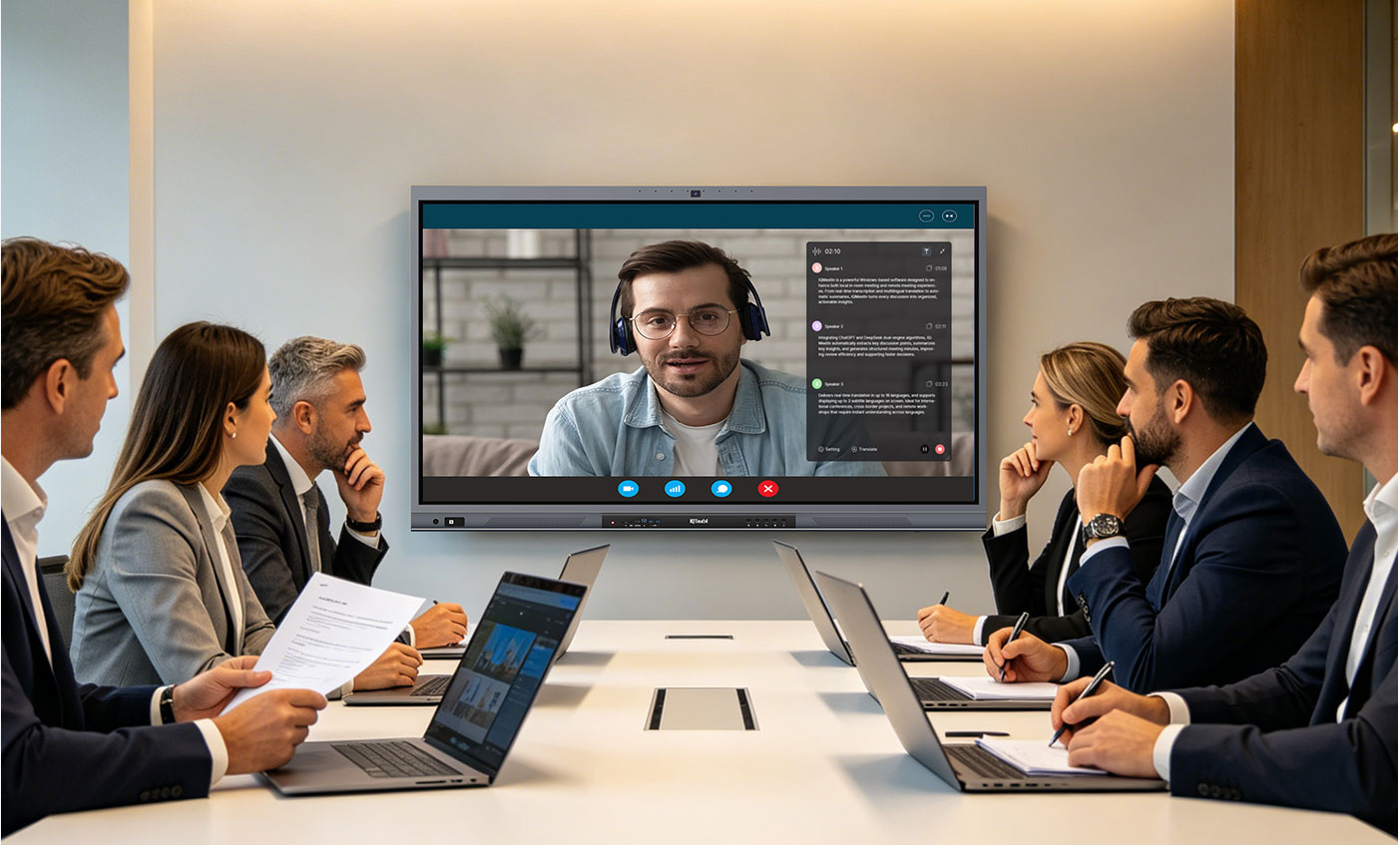
With crisp visuals and lifelike video quality, team members can feel more connected. HD video bridges the gap between in-person and remote interactions, ensuring every gesture, facial expression, and detail is visible.High-resolution cameras and displays are essential for clear and lifelike video conferencing. High-definition video allows participants to see each other, observe non-verbal cues, and build rapport.
2.2. Crystal-Clear Audio Systems for Better Communication
The NDP500’s advanced audio solution, which includes wireless microphones and built-in power amplifiers, provides students with an immersive audio-visual experience that creates an engaging learning environment.

3. Benefits of AV in Remote Collaboration
Clear visuals and high-quality audio enable better communication.
3.1. Enhanced Communication and Reduced Misunderstandings
Advanced AV tools like NDP500 minimize distractions and allow participants to focus on the content, reducing errors and misunderstandings.
3.2. Improved Team Engagement and Productivity
Audio-Visual (AV) technology plays a vital role in enhancing team engagement and productivity in remote collaboration.Here’s how AV technology achieves this:
- Crystal-Clear Audio: High-quality microphones, noise-canceling systems, and audio processors eliminate disruptions, ensuring clear and uninterrupted communication.
- HD Video: High-definition cameras provide visual cues, body language, and facial expressions, fostering a sense of connection and reducing misunderstandings.
- Real-Time Interaction: Tools like video conferencing allow for immediate back-and-forth discussions, speeding up decision-making.
3.3. Flexibility in Teamwork: Anytime, Anywhere Collaboration
AV technology enables flexibility by allowing teams to collaborate across time zones. Whether it’s a last-minute brainstorming session or a scheduled training, advanced AV tools ensure everything runs smoothly.
4. Enhancing Collaboration with Desktop Writing
The Q-NEX NDP500 Smart Podium supports finger and pen input. It allows the use of gestures to click and zoom, zooming and panning, while the pen is used to annotate, facilitating brainstorming, mind mapping and design critique. By encouraging visual thinking and facilitating the free flow of ideas, desktop writing improves the writing experience for educators and businesses.

5. Applications of AV in Different Remote Work Scenarios
AV technology is essential for conducting effective virtual meetings and webinars.
5.1. Virtual Meetings and Webinars
Audio-Visual (AV) technology is the backbone of successful virtual meetings and webinars, enabling seamless communication, interactivity, and professional delivery. Ensure that participants can see and hear the presenter and engage in meaningful discussions.Interactive features such as Q&A sessions, polls, and chat can be integrated into virtual meetings and webinars to enhance audience engagement and participation.
5.2. Remote Control
The NDP500 allows remote control from the local touch panel or from anywhere in the world. The remote control method allows convenient control via a web console (simply from a web browser) or an APP from a mobile phone over the internet, ensuring accessibility from any location.
5.3. Managing Hybrid Education Environments
AV technology plays a crucial role in creating an inclusive learning experience for all students, including those learning remotely.AV solutions enable seamless collaboration between in-person and remote learners, ensuring that all students have equal access to learning materials and can actively participate in class discussions.
6. Choosing the Right AV Solutions for Remote Collaboration
Selecting the ideal AV solutions for remote collaboration can significantly enhance productivity, communication, and team engagement.
6.1. Factors to Consider: Scalability, Budget, and Ease of Use
When selecting AV solutions, businesses must consider scalability to adapt to growing team sizes, budget constraints, and the ease of setup for end-users. Tools like NDP500 strike the perfect balance between functionality and affordability.
6.2. AV Solutions for Small Businesses vs. Enterprises
Small businesses may prioritize cost-effective, easy-to-deploy systems, while enterprises require scalable solutions with robust features for managing large teams.
7. Challenges and How AV Overcomes Them
Remote collaboration, while convenient, often presents a unique set of challenges. From technical issues to maintaining team engagement, these obstacles can hinder productivity if not addressed. Advanced AV solutions provide robust tools to tackle these problems effectively. Let’s explore some common challenges and how AV technology resolves them.
7.1. Common Challenges in Remote Collaboration
Remote collaboration, while offering flexibility, is not without its difficulties. These challenges can disrupt workflows, hinder communication, and reduce team productivity. Here are some of the most common hurdles faced during remote teamwork:
7.1.1. Technical Difficulties in Virtual Meetings
Issues like dropped calls, poor video quality, lagging audio, and connectivity interruptions are common in virtual meetings. These disruptions can lead to frustration and a communication breakdown.
7.1.2. Lack of Engagement and Interaction
Virtual meetings can feel monotonous, leading to disengaged participants. Without in-person cues or interactive tools, maintaining focus and fostering meaningful interaction becomes a challenge.
7.2. How AV Technology Resolves These Issues
Advanced AV solutions mitigate these challenges by offering reliable connectivity, high-definition visuals, and noise-canceling audio systems. Tools like NDP500 ensure uninterrupted communication and productivity.
8. Future Trends in AV for Remote Collaboration
As technology evolves, the future of AV in remote collaboration will see increased adoption of AI, virtual reality, and 3D visualization. These innovations will make remote teamwork even more immersive and efficient.
9. Case Study of AV Technology: Revolutionizing Hungarian Meeting Rooms
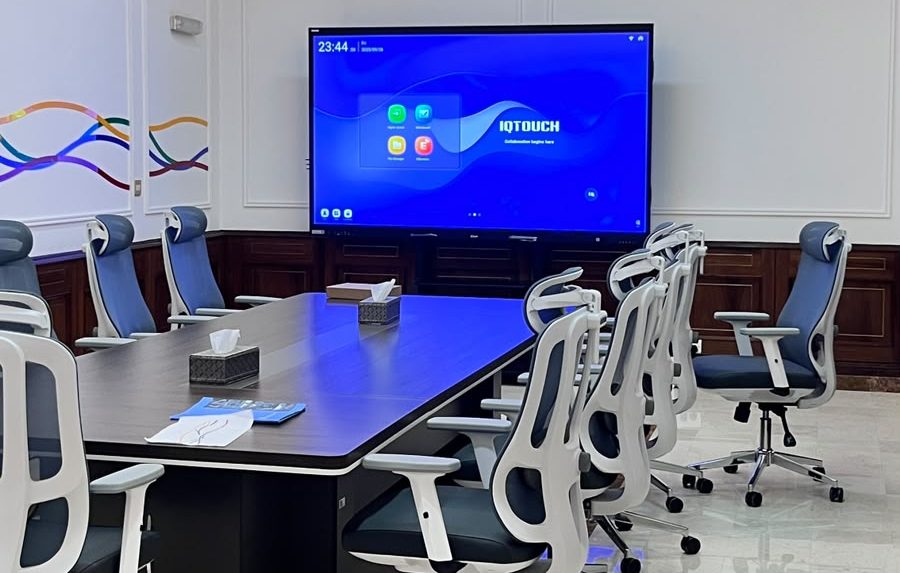
We’ve helped designed a cutting-edge solution for Hungarian meeting rooms that is revolutionizing online conferencing, centered around our lecture capture system IQVideo series and the NDP500. These tools enable practitioners to create authentic, high-quality, and engaging content, creating immersive and powerful online environments. At the same time, the NDP500 integrates with all AV systems to ensure smooth meetings, enhanced collaboration, and unparalleled ease of use. By prioritizing usability and innovation, our solutions not only raise the bar for conferencing but also make a lasting impact on learners.

10. Best Practices for Using AV to Enhance Remote Collaboration
Using audiovisual (AV) tools effectively can make remote collaboration more engaging and productive.
10.1. Training Employees on AV Tools
Provide thorough training on how to use AV tools effectively. This ensures all team members can maximize the technology’s potential.
10.2. Regular Maintenance and Updates of AV Equipment
Regularly updating and maintaining AV equipment ensures it performs optimally, avoiding disruptions during critical meetings.
11. Conclusion
Advanced AV solutions like NDP500 are revolutionizing how teams collaborate remotely. By integrating high-definition video, crystal-clear audio, and interactive tools, AV technology enhances communication, boosts productivity, and fosters innovation. Contact us for the right AV setup to overcome the challenges of remote collaboration and thrive in a connected world.

FAQs
What is AV technology, and how does it enhance remote collaboration?
AV technology combines audio and visual tools to improve communication and collaboration. It enables clear communication, lifelike video conferencing, and interactive brainstorming sessions, making remote teamwork seamless.
What is the role of NDP500 in remote collaboration?
NDP500 provides advanced AV solutions with high-quality video, audio, and seamless device integration, ensuring productive and efficient remote collaboration.
What should businesses consider when choosing AV solutions?
Key factors include scalability, budget, ease of use, and the specific needs of the organization, whether it’s a small business or a large enterprise.
What are the benefits of advanced AV tools like the NDP500 for remote collaboration?
The NDP500 offers crystal-clear audio, HD video, interactive desktop writing features, and remote control capabilities. These tools create an immersive, engaging environment that enhances communication and improves productivity.
How can businesses choose the right AV solutions for remote collaboration?
Businesses should consider factors like scalability, budget, and ease of use when selecting AV solutions. Small businesses may prioritize cost-effective systems, while enterprises need scalable and robust tools. Advanced solutions like the NDP500 strike a balance between functionality and affordability.
Here are some other articles that we think might interest you:
How to Find a Reliable AV Control System Supplier