Each student’s learning journey is unique, influenced by their individual upbringing, experiences, and inherent preferences. Among the diverse spectrum of learning styles, visual learners stand out as those who comprehend and retain information best when it is presented in a visual format, such as through images, diagrams, charts, or videos. However, traditional educational environments often lack the necessary tools to fully support visual learners, leaving educators searching for more effective methods to engage these students. In this context, QNEX technology offers a comprehensive and innovative solution that addresses the needs of visual learners by integrating advanced audiovisual tools into the educational setting. Central to this solution is the QNEX Networked Media Processor (NMP), an AV control system that seamlessly combines digital broadcasting, audio and video matrix switching, digital amplification, and network management. This article delves into how QNEX NMP enhances the study experience of visual learners, making learning more engaging, interactive, and effective.

1. Understanding Learning Styles: The VARK Model
To create an inclusive and effective educational environment, it’s crucial to recognize the different ways students learn. In 1987, Fleming introduced the VARK model, which categorizes learners based on their preferences for acquiring and processing information. The VARK model identifies four primary learning styles: visual, auditory, reading/writing, and kinesthetic.
1.1 Visual Learners
Visual learners excel when they can see information presented in a visual format. They prefer to study with the aid of images, videos, charts, and other visual tools that help them understand and remember content more effectively. These learners often have a keen eye for detail, such as colors and spatial arrangements, and are particularly adept at tasks involving visual memory, like recalling maps or navigating directions. For visual learners, traditional text-based or auditory teaching methods may not be as effective, making it essential to incorporate visual elements into their learning process.
1.2 Auditory Learners
Auditory learners process information best when it is presented through sound. They benefit from listening to lectures, participating in discussions, and using audio resources like recordings and music. These learners often find that they can understand and remember information more easily when it is delivered in an auditory format, making sound-based learning tools essential for their academic success.
1.3 Reading/Writing Learners
Reading/writing learners prefer to engage with text-based materials. They learn effectively through reading textbooks, taking notes, and writing essays or reports. These learners excel when they can organize their thoughts through written words and often find that reading and writing tasks help reinforce their understanding of the material.
1.4 Kinesthetic Learners
Kinesthetic learners thrive on hands-on experiences and practical applications. They prefer learning through doing, which involves engaging in physical activities, experiments, and real-world problem-solving tasks. For kinesthetic learners, traditional classroom settings may need to incorporate more interactive and experiential learning opportunities to fully engage their learning style.

2. The Impact of Q-NEX NMP on Visual Learners’ Educational Experience
The QNEX Networked Media Processor (NMP) serves as a pivotal tool in enhancing the educational experience for visual learners. By offering a range of advanced audiovisual features, QNEX NMP transforms the traditional classroom into a dynamic learning environment tailored to the needs of visual learners. Here are the key ways in which QNEX NMP enhances their study experience:
2.1 AV Broadcasting
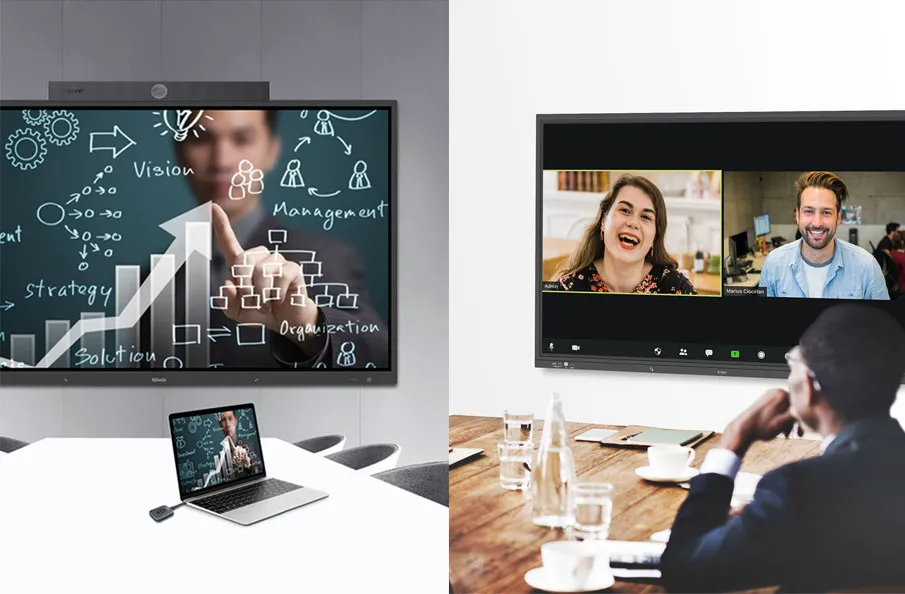
QNEX NMP enables seamless broadcasting of audiovisual content, making it easier for educators to deliver visually rich learning materials. With its 3×3 AV matrix switch, QNEX NMP allows for flexible screen sharing and the transmission of high-quality video content across multiple devices. This functionality is particularly beneficial for visual learners, as it provides them with diverse visual inputs that enhance their understanding and retention of complex information. Whether it’s live-streaming educational videos or conducting interactive demonstrations, QNEX NMP ensures that visual learners receive content in a format that aligns with their learning preferences.
2.2 Interactive Learning Tools
QNEX NMP supports a variety of interactive visual learning tools, such as digital whiteboards, annotation features, and screen-sharing capabilities. These tools enable visual learners to actively engage with the material, fostering a more interactive and participatory learning environment. By allowing students to visually annotate and share their ideas in real-time, QNEX NMP helps visual learners deepen their understanding of the subject matter and encourages collaborative learning among peers.
2.3 High-Resolution Visual Displays
High-quality visual displays are crucial for visual learners, who rely on clear and detailed visuals to grasp complex concepts. QNEX NMP supports high-resolution displays, ensuring that visual learners can see intricate details in charts, diagrams, and other visual materials. For example, when studying subjects like geography or biology, visual learners can benefit from the clarity and precision of high-definition maps and diagrams, which QNEX NMP can transmit seamlessly across multiple screens. This enhances their ability to analyze and retain information, making the learning process more effective and enjoyable.
2.4 Facilitating Collaboration and Content Sharing
Collaboration is an essential aspect of modern education, and Q-NEX NMP excels in facilitating content sharing and collaborative learning experiences. By enabling the easy sharing of visual projects, group assignments, and learning materials, Q-NEX NMP fosters a collaborative environment where visual learners can interact with their peers and contribute to group discussions. This collaborative approach not only enriches the learning experience for visual learners but also helps them develop essential teamwork and communication skills.
Additionally, the QNEX group learning solution supports group discussions and the sharing of academic results, which can be displayed on visual learners’ screens through seamless screen switching and content transmission. This integration encourages visual learners to engage with other students, regardless of their learning styles, and to participate in a more dynamic and inclusive learning environment.
2.5 Integration with Lecture Capture Systems
QNEX NMP’s integration with classroom lecture capture systems provides visual learners with the ability to access recorded lectures and multimedia resources at their convenience. This feature is particularly beneficial for visual learners, who can revisit video content as needed to reinforce their understanding of complex topics. By making learning materials available on-demand, QNEX NMP ensures that visual learners have the flexibility to study at their own pace, further enhancing their educational experience.
3. Conclusion: Empowering Visual Learners with QNEX NMP
In conclusion, QNEX NMP offers a transformative solution for visual learners by providing an array of advanced audiovisual tools that cater specifically to their learning style. From high-quality visual displays to interactive learning tools and seamless collaboration features, QNEX NMP creates a learning environment that is both engaging and effective for visual learners. By integrating with classroom technologies and learning management systems, QNEX NMP not only enhances the learning experience for visual learners but also equips them with the skills and knowledge needed to succeed academically.
For educators and institutions looking to support visual learners, QNEX NMP represents a powerful tool that can make a significant difference in student outcomes. Additionally, QNEX offers a range of other visual aid products that can be seamlessly integrated with NMP, further enriching the learning experience. To learn more about how these products can be used in educational settings, click here to explore the various usage methods and discover how QNEX technology can help you create a more inclusive and effective learning environment.
Here are some other articles that we think might interest you:
Can Capacitive Touch Panels Redefine the Smart Classroom Experience?