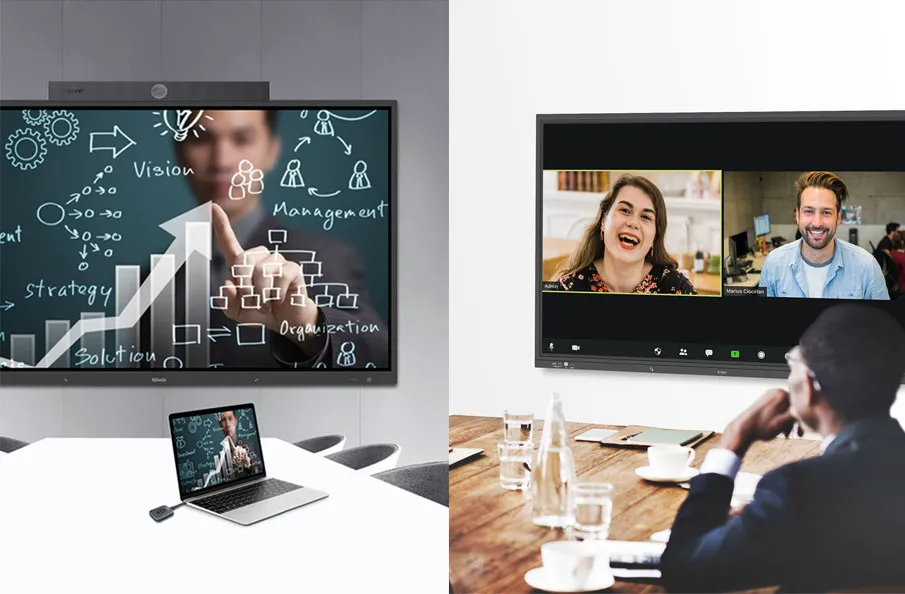
An AV (Audio-Visual) control system is the backbone of any modern multimedia environment, allowing you to manage audio and video equipment from a central interface. It streamlines processes, simplifies operations, and enhances the user experience by controlling everything from interactive displays, projectors, and speakers to video conferencing systems and digital signage.
1. What is an AV Control System?
First, let’s have a deep understanding of the AV control system.
1.1. Understanding AV Control Systems
At its core, an AV control system is a network of devices and software that interact to ensure smooth and coordinated management of multimedia equipment. These systems can range from basic remote controls to sophisticated, fully integrated solutions that control multiple AV devices across large spaces.
1.2. Why Do You Need an AV Control System?
The right AV control system ensures that your devices work together efficiently. It saves time, reduces errors, and enhances productivity in both corporate and educational settings. Whether you’re hosting a video conference, running a live event, or managing classroom tech, having a unified control system is essential.
2. Key Factors to Consider When Choosing an AV Control System

Choosing an AV control system is not a one-size-fits-all decision. Several factors play a key role in determining the best fit for your needs.
2.1. Compatibility with Existing Equipment
Before diving into your AV control system search, ensure that the system integrates smoothly with your existing equipment. Compatibility is essential for easy setup and minimizing additional costs. Whether it’s projectors, interactive displays, video walls, or audio systems, your AV control system should be able to manage all devices without the need for expensive upgrades.
2.2. Scalability and Future-Proofing
Think long-term! As technology evolves, your AV control system should be scalable to adapt to future needs. Whether you’re planning to add more devices or expand your space, ensure that your system can grow with you without needing a complete overhaul.
2.3. User Interface and Ease of Use
The user interface (UI) of the AV control system should be intuitive and user-friendly. A complicated interface can lead to errors and frustration, especially if your team isn’t tech-savvy. The best systems provide easy-to-navigate dashboards, customizable touchscreens, and straightforward operation.
2.4. Integration with Other Technologies
Your AV control system should seamlessly integrate with other technologies in your organization, like lighting, climate control, and security systems. A unified system reduces operational complexity and improves workflow efficiency.
2.5. Security and Reliability
Security is a non-negotiable factor when choosing an AV control system. A secure system prevents unauthorized access and protects sensitive information. Additionally, reliability is key—your system should function smoothly without frequent breakdowns or downtime.
3. Types of AV Control Systems

There are different types of AV control systems, each catering to specific needs. Here’s a breakdown:
3.1. Networked Control Systems
Networked AV control systems use an Ethernet or IP connection to manage devices. These systems are flexible, scalable, and allow for remote control, making them ideal for large organizations or multi-location setups. QNEX NMP is a network-based AV control system that allows IT administrators to remotely control classroom and conference room equipment even when they are in a different location.
3.2. Wired vs Wireless AV Control
Wired systems are typically more reliable, offering stable connections. However, they can be cumbersome in terms of installation and maintenance. Wireless systems, on the other hand, offer flexibility and are easier to install, though they may experience interference or connection issues in crowded environments.
3.3. Cloud-Based AV Control Systems
Cloud-based systems allow you to control your AV equipment from any location via the internet. These systems are ideal for businesses with multiple locations or those requiring remote control access. They often come with software updates and scalability built-in.
4. Popular AV Control Systems in the Market

Here are some of the most well-known brands in the AV control industry:
4.1. Q-NEX
Q-NEX is rapidly becoming a leading brand in AV control systems, particularly in the realm of educational and corporate environments. Known for its innovative and networked AV solutions, Q-NEX provides seamless integration between various AV components and IT systems. Their solutions offer customizable interfaces that cater to specific needs, such as conference rooms and classrooms. The Q-NEX Networked Media Processor and Networked Digital Podium are their standout products, providing reliable performance for a range of AV applications, from remote presentations to immersive learning experiences (Q-NEX).

4.2. Crestron
Crestron is a leading name in the AV control system space, known for its sophisticated solutions. They offer highly customizable systems that cater to both corporate and residential needs.
4.3. AMX
AMX, a brand under Harman, provides robust, enterprise-level solutions that are perfect for large-scale installations. Their systems are known for their reliability and integration capabilities.
4.4. Extron
Extron specializes in AV systems for education and corporate environments. Known for their user-friendly interfaces, Extron’s systems offer comprehensive solutions for both small and large venues.
4.5. SAVI Controls
SAVI offers cloud-based control systems with an emphasis on simplicity. Their systems are popular in both residential and commercial sectors due to their affordability and ease of use.
5. The Role of AV Control Systems in Different Industries

5.1. In Corporate Environments
AV control systems in corporate environments are crucial for smooth presentations, video conferences, and boardroom meetings. They help integrate devices such as microphones, projectors, and video conferencing tools, streamlining communication.
5.2. In Educational Institutions
In classrooms and lecture halls, AV control systems manage everything from projectors to interactive whiteboards. These systems can enhance learning experiences by providing interactive elements and facilitating remote learning.
5.3. In Hospitality and Retail
Hotels and retail environments use AV control systems to manage digital signage, background music, and conference facilities. This improves guest experience and simplifies operations.
6. How to Assess Your Needs and Budget for an AV Control System
Choosing the right AV control system requires clarifying our needs.
6.1. Defining Your AV Requirements
Start by identifying what you need from your AV system. Do you need basic control for a few devices, or do you need an enterprise-level system for a large campus? Be clear about your goals to choose the most appropriate system. When we need to centrally control and manage the entire campus, we need to consider the convenience and stability of device management. The Q-NEX solution can achieve campus-wide centralized management and control.
6.2. Evaluating Your Budget
AV systems can vary significantly in cost. Be sure to set a budget and balance it against your needs. Remember, sometimes cheaper systems require more maintenance and have fewer features, while pricier options offer advanced functionality and durability. If you have any doubts about the selection of an AV control system, you can also consult AV and control technicians to discuss and learn more.
7. Common Challenges When Choosing an AV Control System
Here we list several common challenges in selecting an AV control system.
7.1. Integration Issues
One common issue is system integration. Ensure that the AV control system you choose can easily integrate with other technologies such as lighting, HVAC, or security systems.
7.2. System Complexity
Some systems are complex and require specialized knowledge to operate, which could lead to additional training costs and a longer setup time.
7.3. Maintenance and Support
An AV control system is an investment, so you’ll need reliable maintenance and customer support. Choose a system with excellent after-sales support and availability of software updates.
8. Conclusion

Choosing the right AV control system is a process that requires careful consideration of your specific needs, future goals, and budget. Whether for a corporate office, educational institution, or retail space, the right system will provide seamless operation, enhance collaboration, and ensure smooth AV management. Contact us now here to upgrade your audio and video solution.
9. Frequently Asked Questions
What are the main benefits of using an AV control system?
AV control systems centralize management, reduce errors, and save time, improving overall productivity and user experience.
How do I know if a control system is scalable?
Check if the system supports additional devices or modules. Scalable systems allow you to expand without significant upgrades.
What’s the difference between networked and cloud-based AV systems?
Networked systems rely on local IP connections, while cloud-based systems allow remote control over the internet.
How do I integrate AV control systems with existing devices?
Choose a system that supports multiple protocols and devices. Many systems offer pre-configured templates for easy integration.
What is the typical lifespan of an AV control system?
With proper maintenance, an AV control system can last 5-10 years, depending on the complexity and quality of the system.
Here are some other articles that we think might interest you:
Minimal Effort, Maximized AV Experience by Q-NEX AV Control System
Are Advanced AV Control Systems the Future of Productivity?
Efficient School AV Control with a Web-Based Management System