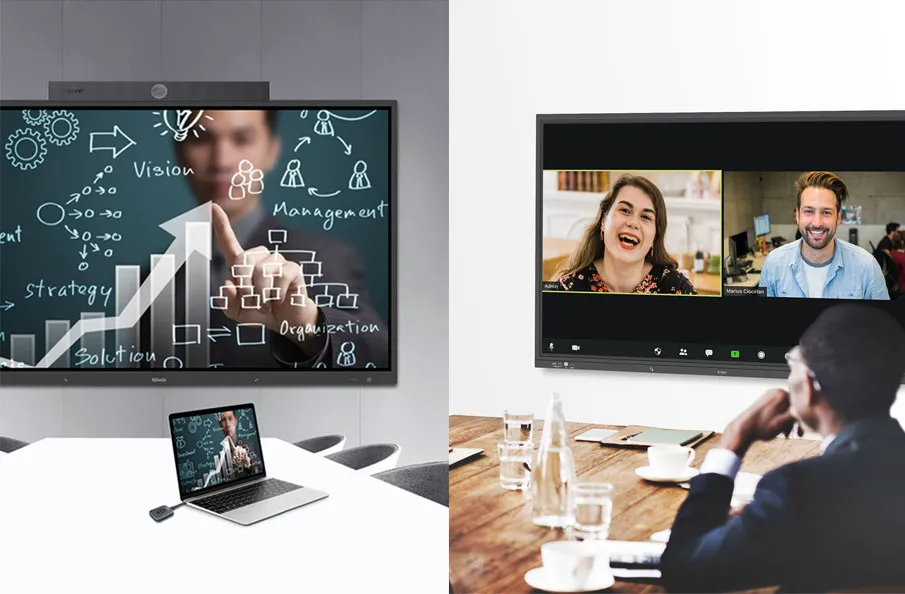
So, you’ve got a pretty impressive audio and video setup. Maybe it’s a home theater, a conference room, or even a whole smart house. But managing all those devices, remotes, and settings can feel like herding cats. That’s where AV control systems come in. These nifty little gadgets can turn your tech chaos into a symphony of control.
1. Understanding AV Control Systems
Let’s start with the basics.

1.1. What are AV control systems?
Essentially, they’re like the conductor of your tech orchestra. They bring together all your audio and video components, allowing you to control them from a single interface. Think of it as a universal remote on steroids.
1.2. How do they work?
Well, it’s a bit like magic. AV control systems use various communication protocols (like IR, RS-232, or Ethernet) to talk to your devices. You give the system a command, and it translates it into the language your TV, sound system, or projector understands.
1.3. Why should you care?
There are a bunch of benefits. For starters, AV control systems make your life easier. No more juggling multiple remotes or trying to remember which button does what. They also enhance your viewing experience by providing features like automation, scheduling, and even voice control.
2. Key Factors to Consider When Choosing an AV Control System
Now that you know what AV control systems are, let’s talk about how to choose the right one. There are a few key factors to consider:

2.1. Scalability and Flexibility
Your needs might change over time. A good AV control system should be able to grow with you. Can it handle additional devices? Can it be customized to fit your unique setup?
2.2. Integration Capabilities
Does it play well with others? A seamless integration with your existing smart home/education system is crucial. Look for systems that can work with popular brands like Q-NEX, Control4, Crestron, or Extron.
2.3. User-Friendliness
A complex system with a clunky interface is a no-go. A user-friendly system should be intuitive and easy to operate, even for non-techies.
2.4. Security and Reliability
Your AV system is an important part of your home or business. It should be secure, with robust encryption and access controls to protect your data.
2.5. Cost-Effectiveness
While a good AV control system can be an investment, it’s important to balance cost with features. Don’t overspend on features you won’t use.
2.6. Future-Proofing
Technology is always evolving. Choose a system that can adapt to future standards and protocols, so you won’t be left behind.
3. Top AV Control System Brands
Let’s dive into some of the top-rated AV control system brands:
3.1. Q-NEX NMP
Q-NEX NMP is a powerful and versatile control system that’s perfect for both residential and commercial settings. It offers a wide range of features, including:

Centralized Control: Control all your devices from a single interface.
Customizable Interfaces: Create custom dashboards to suit your preferences.
Scalability: Easily expand your system as your needs grow.
3.2. Control4
Known for its sleek interface and powerful automation features, Control4 is a popular choice for smart homes. It offers:
Intuitive User Interface: Control your system with ease.
Advanced Automation: Create complex automation routines.
Seamless Integration: Integrate with a variety of smart home devices.
3.3. Crestron
Crestron is a high-end option with a wide range of capabilities. It’s often used in commercial settings but is also suitable for high-end residential installations. Key features include:
Robust Hardware: Reliable and durable components.
Extensive Customization: Tailor your system to your specific needs.
Advanced Programming: Create complex control scenarios.
3.4. RTI
RTI offers a good balance of features and affordability. It’s a great choice for those who want a reliable and easy-to-use system without breaking the bank.
3.5. Savant
Savant is a popular choice for smart homes. It offers a sleek design and a user-friendly interface. Key features include:
Elegant Design: Stylish and modern aesthetics.
Voice Control: Control your system with voice commands.
Smart Home Integration: Seamlessly integrate with other smart home devices.
3.6. Lutron
While primarily known for lighting control, Lutron also offers AV solutions. Their systems are known for their reliability and energy efficiency.
4. Best Practices for Implementing AV Control Systems
Now let’s learn more about the best practices for implementing AV control systems.
4.1. Proper Planning and Design
Before implementing an AV control system, it’s essential to have a clear understanding of your specific needs and requirements. Work with a qualified AV integrator to design a system that meets your needs and budget.
4.2. Professional Installation
Proper installation is crucial for optimal performance and longevity. Hire a certified AV installer to ensure that the system is installed correctly and efficiently.
4.3. Regular Maintenance and Updates
Regular maintenance and software updates are essential to keep your AV control system running smoothly. Schedule regular maintenance checks and update the system’s firmware as needed.
5. Tips for Optimizing Your AV Control System
Below are several tips for optimizing your AV control systems.
5.1. Customize Your Settings
Take the time to customize your AV control system’s settings to match your preferences. Adjust audio levels, video settings, and other parameters to create the perfect viewing and listening experience.
5.2. Train Your Users
If you have multiple users, it’s important to train them on how to use the system effectively. This will help to prevent accidental damage and ensure that everyone can enjoy the benefits of the system.
5.3. Monitor System Performance
Keep an eye on your system’s performance and address any issues promptly. Regular monitoring can help to identify potential problems before they escalate.
6. The Future of AV Control Systems
Now, let’s look further into the future of AV control systems.
6.1. Emerging Technologies
The future of AV control systems is bright, with emerging technologies like voice control, artificial intelligence, and machine learning poised to revolutionize the industry.
6.2. Industry Trends
Several industry trends are shaping the future of AV control systems, including increased integration with smart home technologies, greater emphasis on user experience, and the rise of cloud-based control solutions.
7. Benefits of AV Control Systems
Here I’d like to list several benefits of AV control systems.
7.1. Enhanced User Experience
Gone are the days of juggling multiple remotes. With a unified control system, you can simplify your setup and enjoy a seamless viewing experience.
7.2. Increased Efficiency
Imagine turning on your TV, adjusting the volume, and selecting your favorite streaming service with a single touch. That’s the power of an AV control system.
7.3. Cost Savings
While the initial investment might seem steep, AV control systems can actually save you money in the long run. By reducing energy consumption and preventing wear and tear on your equipment, you’ll reap the rewards.
7.4. Improved Security
Many control systems offer advanced security features, such as remote monitoring and control, allowing you to keep an eye on your home or business, even when you’re away.
8. Conclusion
So, there you have it. AV control systems can make a world of difference in your audio and video experience. By considering factors like scalability, integration, user-friendliness, and cost, you can find the perfect system to meet your needs. Remember, the best AV control system is the one that works seamlessly with your lifestyle and preferences. Contact us today here to find the best
AV control system for your needs. Happy controlling!
9. FAQs
Can I control my AV system with my voice?
Many modern AV control systems offer voice control integration, allowing you to give commands using your voice.
Can I automate my AV system?
Yes, you can set up automated routines to control your AV system based on time, location, or other triggers.
Can I use my smartphone to control my AV system?
Most AV control systems have mobile apps that allow you to control your system from your smartphone or tablet.
What is the difference between a universal remote and an AV control system?
While both devices can control multiple devices, AV control systems offer more advanced features like automation, scheduling, and integration with other smart home devices.
How much does an AV control system cost?
The cost of an AV control system can vary widely depending on the features, complexity, and brand.
Here are some other articles that we think might interest you:
QNEX vs Atlona: Which AV Control is Best for the Classroom?
Essential AV Gear for Schools: Enhancing Classroom Learning
Top 5 Presentation Switchers for Enhancing Your Conferencing Experience